这是一个非常经典且重要的问题,小公司资源有限,品牌知名度不高,但在留住好销售员方面,其实有自己独特的优势,核心思路是:用“人”和“对抗大公司的“平台”和“稳定”。
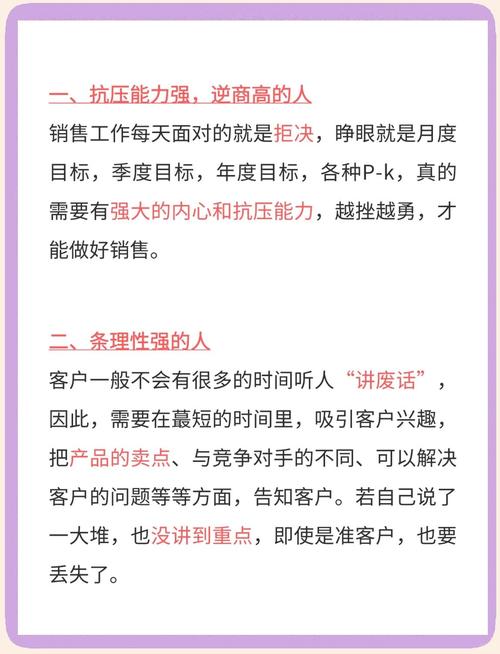
好销售员的核心诉求是什么?无非是:赚钱、成长、有成就感、工作得开心。 小公司如果能在这几点上做到极致,就能牢牢抓住他们。
以下是小公司留住好销售员的系统性策略,分为“道”(心法)、“术”(方法)、“势”(环境)三个层面。
道:心法与理念
在采取任何行动前,老板和高管必须想清楚这几点:
- 销售是公司的“发动机”,不是“成本中心”。 好的销售能带来现金流、市场信息和公司未来的方向,把他们当成最重要的合作伙伴,而不是简单的雇员。
- 放弃“画大饼”,拥抱“分小饼”。 大公司有品牌背书,可以画长期大饼,小公司必须把眼前能分到的“饼”清晰、透明、及时地分出去,让销售员尝到甜头。
- “失控”是最好的控制。 不要用僵化的制度束缚销售,给予他们充分的信任和自由,让他们感觉自己不是在执行任务,而是在经营自己的事业。
- “人情味”是小公司的核心竞争力。 大公司流程化、标准化,容易让人感到冰冷,小公司必须用真诚、关怀和团队氛围来弥补这一点。
术:具体方法与策略
围绕销售员的四大核心诉求,我们可以设计出具体的激励和留人策略。
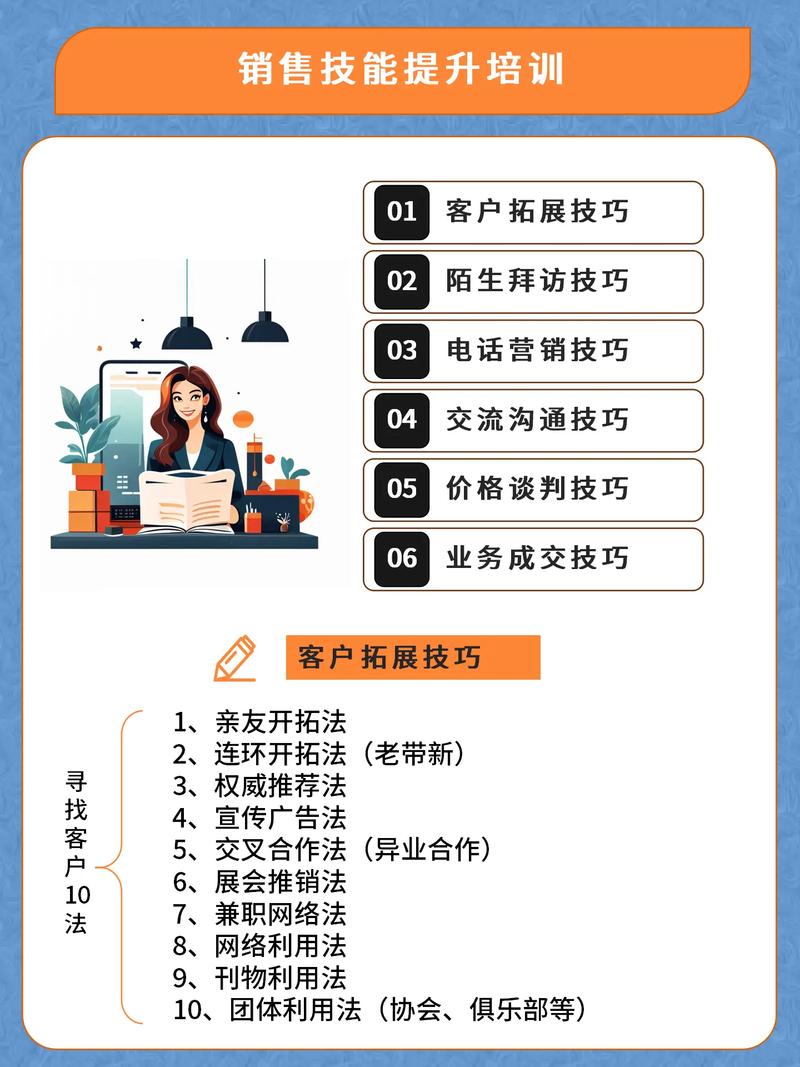
钱要给到位,更要给得聪明(解决“赚钱”问题)
这是最直接、最有效的方法,小公司没有品牌优势,就必须用超额的收益来吸引和留住人。
-
设计极具吸引力的薪酬结构:
- 高提成比例: 这是小公司的王牌,确保提成比例在行业内具有竞争力,甚至可以更高,让销售员清楚地知道:“我多卖一万,我的收入就增加XXX。”
- 阶梯式/上不封顶提成: 鼓励销售员挑战更高目标,完成100万提成8%,完成150万提成10%,200万以上提成12%,上不封顶是给优秀销售员的定心丸。
- 及时兑现,说到做到: 这是最重要的!奖金、提成必须按时、足额发放,甚至可以提前发放,一次失信,之前的所有努力都白费,建立“说到做到”的信誉比什么都重要。
- 设置“即时奖励”: 除了月度/季度奖金,可以设置一些即时的小奖励,本周签单第一奖、新客户开拓奖、收款最快奖等,成本不高,但激励效果立竿见影。
-
增加非现金收入:
- 项目奖金/利润分红: 对于大项目或为公司带来重要突破的销售,可以给予项目利润分红,让他们感觉自己是“股东”。
- 期权/虚拟股权: 对于核心骨干,可以设计简单的股权激励方案,让他们分享公司成长的长期收益,这能将个人利益与公司未来深度绑定。
成长要加速,空间要清晰(解决“成长”问题)
好销售员不满足于只做一个销售,他们渴望晋升和转型。
-
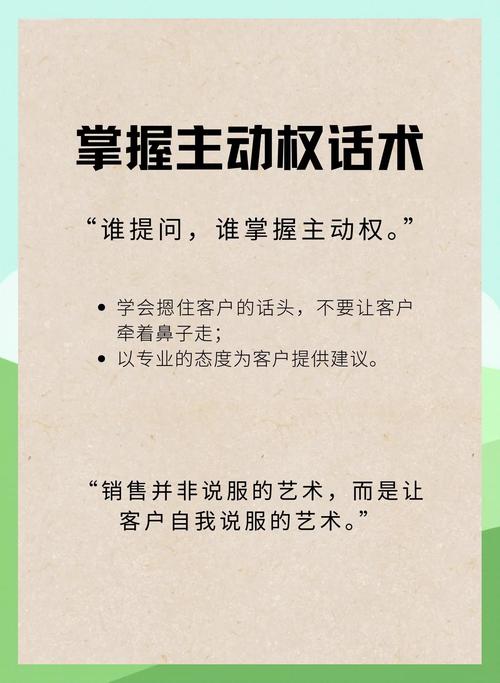
提供“量身定制”的培训:
- 内部经验传承: 老板或资深销售亲自带教,传授实战经验,这比外部培训更有效。
- 外部资源引入: 定期邀请行业专家或成功人士来做分享,让他们接触更广阔的视野。
- 鼓励“试错”: 创造一个允许犯错的环境,一个优秀的销售背后可能有很多失败的尝试,复盘失败,比庆祝成功更重要。
-
设计清晰的职业发展路径:
- 管理路线: 销售代表 -> 销售主管 -> 销售经理 -> 销售总监,明确每个阶段的职责和能力要求。
- 专家路线: 销售代表 -> 行业销售专家/解决方案专家,让不擅长管理但业务能力极强的销售员也能获得晋升和尊重。
- 老板要主动沟通: 定期和销售员谈他们的职业规划,告诉他们“以你目前的能力,再努力半年,就可以晋升为主管”,给他们明确的预期和目标。
成就感要放大,价值要认可(解决“成就感”问题)
销售员需要被看见、被认可。
-
公开的、及时的赞美与认可:
- 开晨会/周会时点名表扬: “大家鼓掌恭喜小王,他昨天搞定了一个难啃的客户!” 这种仪式感很重要。
- 建立“英雄榜”: 在办公室最显眼的位置,张贴销售龙虎榜,更新业绩、签单喜报。
- 老板亲自感谢: 当销售员签下大单时,老板发个红包、写封感谢信、请吃顿饭,这种来自最高层的认可,价值千金。
-
赋予他们“主人翁”地位:
- 让他们参与决策: 关于产品定价、市场策略、促销方案等,多听听一线销售的意见,他们会感到自己的价值被尊重。
- 让他们分享经验: 定期组织“销售分享会”,让业绩好的销售分享成功案例,这既是对他的肯定,也能带动整个团队。
工作要开心,氛围要温暖(解决“开心”问题)
-
建立“家”一样的团队氛围:
- 老板要有亲和力: 放下架子,和员工打成一片,记住每个销售员的名字、他们的家庭情况,甚至他们的兴趣爱好。
- 组织团队活动: 定期聚餐、团建、户外拓展,钱花得不多,但能有效增进感情,让团队更有凝聚力。
- 关心员工个人生活: 当员工遇到困难时(如生病、家庭问题),主动伸出援手,这种“雪中送炭”的人情味,是任何金钱都无法替代的。
-
给予充分的信任和自由:
- 不搞 micromanagement(微观管理): 只要结果,不问过程,让销售员自己决定工作方式、拜访路线、客户沟通策略。
- 授权: 对于一定金额内的合同,可以授予销售员自主签约权,减少不必要的审批流程,提高效率。
势:打造留人的大环境
除了以上具体方法,还需要一些系统性建设。
- 老板亲自抓销售: 小公司老板必须是首席销售官(CSO),你亲自跟进几个关键客户,既能解决难题,又能给销售团队极大的信心,你展现出的拼搏精神,是最好的企业文化。
- 建立公平、透明的制度: 薪酬、提成、晋升制度必须清晰、透明,避免“暗箱操作”和“人情关系”,公平是团队稳定的基石。
- 做好“离职管理”,化敌为友: 如果销售员最终决定离开,不要恶语相向,进行一次真诚的离职面谈,了解真实原因,好聚好散,他们可能成为你的客户、合作伙伴,甚至未来的“卧底”(帮你了解竞争对手)。
- 打造一个“有故事”的公司: 小公司没有百年历史,但可以创造自己的故事,我们的第一个客户是谁?我们如何攻克一个不可能的行业?这些真实的故事,能增强销售员的使命感和自豪感。
小公司留住好销售员,本质上是一场“心”的竞争。
- 对内: 老板要有格局,舍得给钱,敢于放权,真心待人。
- 对外: 要把公司的“小劣势”(平台弱)转化为“大优势”(灵活、温情、成长快)。
当一个销售员在小公司里,能拿到远超同行的收入、感受到家人般的温暖、看到清晰的成长路径、并获得老板的绝对信任时,他没有任何理由离开,这,就是小公司留住顶尖销售员的终极秘诀。