科普教育网

雅思口语如何讲出令人难忘的故事?

Of course! A "memorable story" is a classic and excellent topic for IELTS Speaking Part 2. It allows you to showcase your vocabulary, grammar, and ability to structure a narrative.

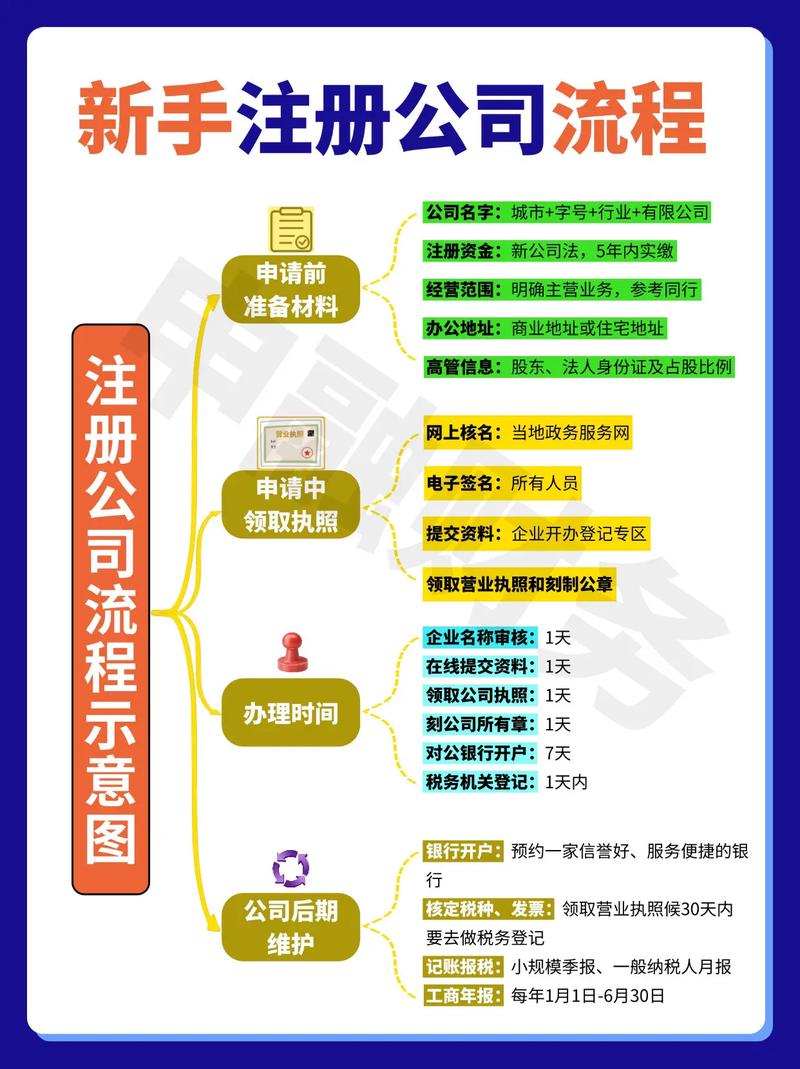
雅思口语如何讲出令人难忘的故事?-图1
(图片来源网络,侵删)

Here is a complete guide to help you prepare, including a sample answer, vocabulary, and key tips.


The Cue Card (The Prompt)

You will be given a card like this:

Describe a memorable story you remember from your childhood.

You should say:

雅思口语如何讲出令人难忘的故事?-图2
(图片来源网络,侵删)
  • what the story was about
  • who told you this story
  • why you remember it
  • and explain how this story has affected you.

You will have 1 minute to prepare and make some notes. Then you will speak for 1-2 minutes.


Sample Answer (Band 8-9 Level)

This is a well-structured, detailed, and fluent answer.

(Start by briefly addressing the first two points on the card to set the scene quickly.)

"A story that has been etched in my memory since I was a child is the classic fable of The Tortoise and the Hare. It’s a simple tale, but its message has stuck with me for over two decades.

雅思口语如何讲出令人难忘的故事?-图3
(图片来源网络,侵删)

I first heard this story when I was about seven years old. It wasn't from my parents, but from my primary school teacher, Ms. Wang. She was a wonderful storyteller; she would use different voices for the characters and act out the race, which made the whole class laugh and completely captivated our attention.

The reason I remember it so vividly is that it taught me a lesson about life in a way that a simple lecture never could. At the time, I was a bit of a daydreamer in school, often rushing through my homework just to finish it quickly, without paying much attention to detail. The story, where the overconfident hare loses the race to the slow but steady tortoise, felt like it was directly about me. It was a powerful metaphor for perseverance and the importance of diligence over arrogance.

This story has profoundly affected me in several ways. Firstly, it completely changed my approach to my studies. I started to understand that slow, consistent effort is far more effective than last-minute, frantic work. I began to take my time, check my answers, and focus on understanding the material properly, not just completing the task.

Furthermore, it's a lesson I've applied to many other areas of my life, like learning a new skill or even exercising. Whenever I feel discouraged because progress is slow, I just think of the tortoise plodding along, and it reminds me that as long as I keep moving forward, I will eventually reach my goal. It taught me that true success isn't about being the fastest or the most talented; it's about having the grit and determination to see things through."


Breakdown of the Sample Answer (Why it's a good answer)

  • Introduction: Immediately names the story and establishes its long-term significance ("etched in my memory," "stuck with me for over two decades"). This is a strong opening.
  • What & Who: Clearly states what the story is and who told it. It adds a nice detail about the teacher's storytelling style, which makes the memory more personal and vivid.
  • Why you remember it: This is the core of the answer. Instead of just saying "it was interesting," it explains the personal connection ("it felt like it was directly about me") and the key lesson ("powerful metaphor for perseverance").
  • Explain the effect: This part is excellent because it shows a long-term impact. It connects the story to specific changes in behaviour (approach to studies) and general life philosophy (learning new skills, exercising). This demonstrates deep reflection.
  • Vocabulary & Grammar: Uses a range of advanced and topic-specific vocabulary (etched, captivated, overconfident, perseverance, diligence, arrogance, profoundly, plodding, grit, determination). The grammar is varied and error-free, using complex sentences and discourse markers (Furthermore, Whenever, It taught me that...).
  • Fluency & Cohesion: The story flows logically from one point to the next using clear linking words and phrases.

Useful Vocabulary & Phrases

To help you build your own story, here is a categorized list of vocabulary.

Describing the Story

  • A classic fable / a well-known legend
  • A heartwarming tale / a cautionary story
  • A story with a powerful moral / a profound message
  • It's about the journey, not just the destination.
  • It centres on the theme of...
  • It has a timeless quality.

Describing the Teller

  • My grandmother was a fantastic storyteller.
  • My father used to spin us yarns by the fireside. ("Spin a yarn" = tell a long, imaginative story)
  • My teacher brought the story to life with her vivid descriptions.
  • I was completely captivated / enthralled by his narration.

Describing Why it's Memorable

  • It left a deep impression on me.
  • The message really resonated with me. ("Resonate" = to feel connected to or to find something true)
  • It has stuck with me ever since.
  • It taught me a valuable lesson about life.
  • It was a defining moment in my childhood.
  • I can recall it as if it were yesterday.

Describing the Effect / Impact

  • It profoundly influenced my outlook on life.
  • It shaped my core values / beliefs.
  • It completely changed my perspective on...
  • It gave me a new appreciation for...
  • It instilled in me a sense of...
  • It taught me the importance of...
  • It has become a guiding principle for me.

Tips for Your Preparation

  1. Choose a Real Story: It's much easier to talk passionately and fluently about something that actually happened to you. Think about a story from your childhood, a book that changed you, or a family anecdote.
  2. Structure is Key: Use the 4 points on the cue card as the basic structure of your talk. This ensures you answer the question fully and don't get lost.
    • What/Who: Set the scene.
    • Why: This is the most important part. Explain the significance.
    • Effect: This is where you show deep thinking. Connect the past story to your present self.
  3. Make it Personal: The best stories are the ones with a personal connection. Explain why it was meaningful to you. This is what makes your story unique and memorable for the examiner.
  4. Use the 1-Minute Planning Time Wisely:
    • Don't write full sentences. Use keywords and short phrases.
    • Jot down 3-4 ideas for each of the 4 points.
    • Think of 2-3 good vocabulary words you want to use.
    • Example notes:
      • What: The Tortoise & Hare, fable, perseverance vs. arrogance.
      • Who: Ms. Wang, my teacher, great storyteller.
      • Why: I was like the Hare, rushing, daydreamer. Powerful lesson.
      • Effect: Changed my study habits, applies to life now (learning guitar), reminds me of grit.
  5. Practice, Practice, Practice: Time yourself speaking for 2 minutes. Record your voice and listen back. Are you speaking clearly? Is your vocabulary varied? Is your grammar correct? Are you using linking words? This is the best way to improve your fluency and confidence.
分享:
扫描分享到社交APP
上一篇
下一篇