下面我将为你提供一个全面的备考指南,包括高分词汇、高分句型、Part 1 问答范例、Part 2/3 拓展思路以及实用技巧。
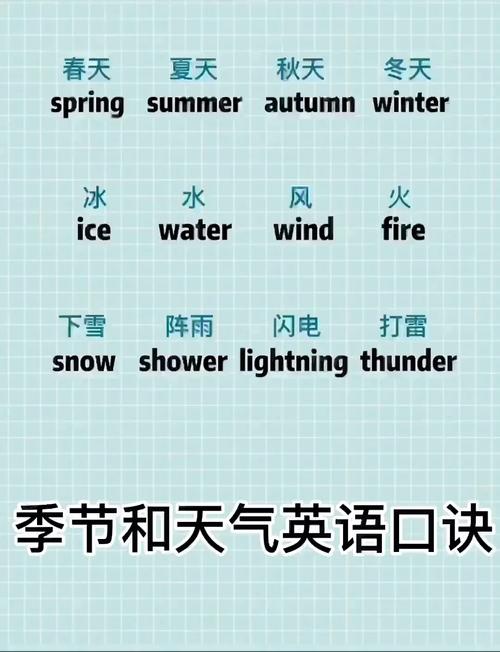
高分词汇
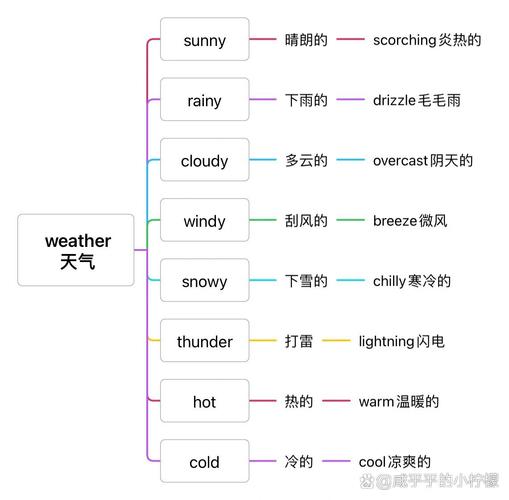
避免重复使用 good, bad, hot, cold,尝试使用更具体、更生动的词汇。
形容词
- 描述温度:
- scorching / boiling (炎热的,像要烧开一样)
- sweltering (闷热的,令人窒息的)
- mild (温和的,宜人的)
- chilly / nippy (寒冷的,有点刺骨的)
- freezing / bitter (冰冷的,严寒的)
- pleasant / delightful (宜人的,令人愉悦的)
- 描述天气状况:
- humid / damp / muggy (潮湿的,闷湿的)
- dry / arid (干燥的)
- overcast (阴天的)
- gloomy / bleak (阴沉的,凄凉的)
- blustery (狂风大作的)
- torrential (倾盆的,指大雨)
- drizzly / misty / foggy (毛毛雨的,有雾的)
- 描述个人感受:
- miserable (难受的,痛苦的)
- refreshing (令人神清气爽的)
- oppressive (压抑的,闷得难受的)
- invigorating (提神的,令人振奋的)
动词
- 描述天气变化:
- clear up (放晴)
- cloud over (天阴下来)
- set in (到来,指坏天气,如 winter has set in)
- roll in (滚滚而来,指乌云或暴风雨)
- drizzle / pour down / bucket down (下毛毛雨/下大雨/下倾盆大雨)
- flurry (下小雪)
- 描述人对天气的反应:
- seek shelter (寻找避雨处)
- bask in the sun (晒太阳)
- shiver (发抖)
- sweat / perspire (出汗)
- put on / take off layers (穿上/脱掉衣物)
名词
- 特定天气现象:
- a heatwave (热浪)
- a cold snap (寒潮)
- a shower (一阵雨)
- a downpour (一场倾盆大雨)
- a thunderstorm / a lightning storm (雷暴)
- a breeze / a gust of wind (微风/一阵强风)
- a blanket of snow (一层厚厚的雪)
- fog / mist / haze (雾/薄雾/霾)
高分句型
使用复合句和复杂句可以展示你的语法水平。
-
比较/对比句:
Compared to the sweltering summers, I much prefer the mild and pleasant autumn in my city.(与炎热的夏天相比,我更喜欢我城市里温和宜人的秋天。)While some people enjoy the heat, I find the scorching summer sun a bit too much to handle.(虽然有些人喜欢炎热,但我发现灼热的夏日太阳有点难以忍受。)
-
原因/结果句:
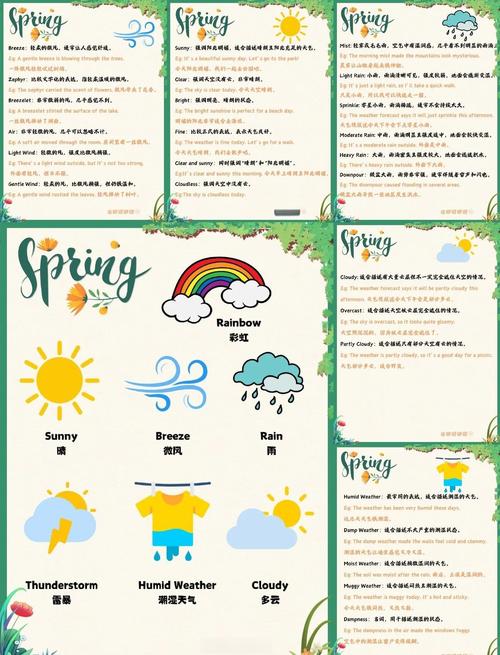 (图片来源网络,侵删)
The reason I like spring so much is that everything comes back to life, and the air feels so fresh and invigorating.(我如此喜欢春天的一个原因是万物复苏,空气感觉清新宜人。)It's been raining cats and dogs all day, so we had to cancel our picnic.(外面下了一整天的大雨,所以我们不得不取消了野餐。)
-
条件句:
If it weren't for the occasional downpour, summer would be absolutely perfect here.(如果不是偶尔有倾盆大雨,这儿的夏天就绝对完美了。)Had I known it would be so freezing, I would have worn a thicker coat.(如果我知道天气会这么冷,我就会穿一件更厚的外套了。)
-
分词短语作状语:
Feeling a bit tired from the heat, I usually prefer to stay indoors during the hottest part of the day.(因为觉得有点热,我通常喜欢在一天中最热的时候待在室内。)Waking up to a bright sunny day always puts me in a good mood.(醒来看到晴朗的好天气总能让我心情愉快。)
雅思口语 Part 1 问答范例
Q: Do you like hot weather or cold weather? A: I'd have to say I'm more of a fan of mild weather, to be honest. While I enjoy the occasional hot, sunny day that's perfect for a beach trip, I find that scorching heat can be quite oppressive and draining. Cold weather, on the other hand, has its own charm, but I'm not a big fan of freezing temperatures that make you shiver just by stepping outside. So, a pleasant spring or autumn day with a gentle breeze is my absolute favorite.
Q: Which season do you like most? A: Without a doubt, it's autumn. I just love the way the world transforms during that time. The air gets crisp and cool, and the trees put on a spectacular display of red, orange, and yellow leaves. It's a very refreshing and invigorating season. Plus, it's not too hot or too cold, so it's ideal for outdoor activities like hiking or having a picnic in the park.
Q: Is there any particular type of weather that you don't like? A: Yes, I absolutely hate muggy and humid weather. It's that kind of day when the air feels thick and heavy, and you start sweating the moment you step outside. It makes me feel really uncomfortable and lethargic. I also get quite annoyed by persistent drizzle, which just makes everything feel damp and gloomy.
Q: Does the weather ever affect your mood? A: It definitely does. On a bright, sunny day with a clear blue sky, I naturally feel more cheerful and energetic. Conversely, when it's been overcast and raining for several days in a row, I tend to feel a bit down and lethargic. I think most people are affected by the weather to some extent.
Part 2 & Part 3 拓展思路
Part 2: Describe a type of weather that you like.
You should say:
- what kind of weather it is
- when this weather usually occurs
- what you usually do during this weather
- and explain how this weather makes you feel.
思路:
- What: 选择 "a crisp autumn day" 或 "a clear spring morning"。
- When: 描述它通常发生在哪个季节的哪段时间。
- What you do: 描述具体的活动,比如去公园散步、野餐、拍照、和朋友喝咖啡等,加入细节,"the crunch of leaves under my feet" (脚下落叶的沙沙声)。
- How it makes you feel: 使用
refreshing,invigorating,peaceful,nostalgic等词,并解释为什么,"it's a perfect escape from the hustle and bustle of the city"。
Part 3: Follow-up Questions
-
Q: Why do some people think it's better to live in places with good weather year-round?
- 思路: 从心理健康、户外活动、经济(旅游业)等方面回答,可以提到 "consistent good weather can have a positive impact on people's mental well-being" 和 "it encourages a more active and outdoor-oriented lifestyle"。
-
Q: How does the weather affect people's daily lives and work?
- 思路: 谈论交通(恶劣天气导致延误)、农业(依赖天气)、工作模式(远程办公的兴起)、服装选择等,可以举例 "During a heavy snowstorm, schools and offices might have to close, which disrupts the normal routine."
-
Q: With climate change, are the seasons in your country changing?
- 思路: 承认气候变化是事实,并描述具体变化,如 "summers are becoming hotter and longer, while we're experiencing more extreme weather events like sudden heavy rainfall or intense heatwaves." 这可以展示你的知识广度和社会责任感。
实用技巧
- Be Specific (具体化): 不要只说 "I like summer.",而是说 "I love summer for those long, warm evenings when you can sit outside with friends and have a barbecue."
- Use Idioms and Phrasal Verbs (巧用习语): 适当使用可以加分,但要用