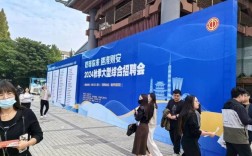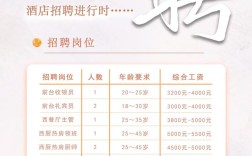
A job fair, also known as a career fair or recruitment expo, is an event where employers and job seekers come together under one roof to facilitate the hiring process. These events are typically organized by companies, universities, industry associations, or government agencies, aiming to connect talent with opportunities efficiently. For job seekers, job fairs offer a unique platform to explore multiple career options, network with recruiters, and gain insights into various industries, all in a condensed timeframe. For employers, they provide a cost-effective way to screen candidates, build brand awareness, and fill positions quickly, especially for entry-level or specialized roles.
The structure of a job fair usually involves booths set up by participating organizations, each representing a company or group of companies. Recruiters at these booths are often HR professionals, hiring managers, or team leads who are directly involved in the recruitment process. They distribute company materials, accept resumes, and conduct preliminary interviews. Job seekers, in turn, prepare by researching the list of attending companies, tailoring their resumes to specific roles, and preparing concise introductions to highlight their skills and experiences. Many job fairs also feature seminar sessions or workshops, where industry experts share advice on resume writing, interview techniques, or career development trends, adding value beyond direct interactions.
One of the key advantages of job fairs is the face-to-face interaction they enable. In an era dominated by online applications and automated systems, meeting recruiters in person allows candidates to make a memorable impression, demonstrate their enthusiasm, and ask detailed questions about company culture or job requirements. For employers, this personal interaction helps assess soft skills, such as communication and professionalism, which are often difficult to gauge from a resume alone. Additionally, job fairs are particularly beneficial for recent graduates or individuals transitioning to new industries, as they provide exposure to a wide range of employers without the need for extensive prior networking.
To maximize success at a job fair, preparation is crucial. Job seekers should start by identifying which companies align with their career goals and researching their recent projects, values, and job openings. Dressing professionally is essential, as first impressions play a significant role in how recruiters perceive candidates. Bringing multiple copies of resumes, a portfolio (if applicable), and a notebook for taking notes can further enhance one’s readiness. During the event, it’s important to approach booths confidently, introduce oneself clearly, and engage in meaningful conversations rather than simply dropping off a resume. Following up with a thank-you email or LinkedIn message within 24 hours can reinforce the connection and keep the candidate top of mind for recruiters.
For employers, participating in a job fair requires strategic planning. Companies should define their hiring objectives beforehand, whether it’s to fill specific roles, increase brand visibility, or recruit for future talent pipelines. Designing an attractive booth with clear signage, brochures, and interactive elements can draw more attendees. Training staff to effectively communicate the company’s value proposition and screen candidates on the spot ensures a smooth experience. Collecting contact information through digital tools or business cards allows for efficient follow-up, while post-event surveys can help measure the return on investment and identify areas for improvement.
Despite their benefits, job fairs also have limitations. They can be overwhelming due to large crowds and time constraints, making it challenging to have in-depth discussions with each employer. For candidates, standing out among hundreds of attendees requires exceptional preparation and communication skills. For employers, the sheer volume of resumes collected may lead to a lengthy follow-up process, and not all candidates who attend may be a good fit for the available positions. To mitigate these challenges, some job fairs now incorporate pre-registration systems, timed entry slots, or virtual components to enhance organization and accessibility.
In recent years, the evolution of technology has transformed job fairs into hybrid or virtual events. Virtual job fairs, conducted via online platforms, allow participants to interact through video calls, chat functions, and virtual booths, eliminating geographical barriers. These formats are particularly useful for global recruitment or during times when in-person gatherings are impractical. However, they may lack the personal touch of traditional job fairs and require candidates to have reliable technology and digital communication skills. Hybrid models, which combine in-person and virtual elements, offer a balanced approach, catering to diverse preferences and maximizing reach.
The effectiveness of a job fair ultimately depends on the alignment between the expectations of job seekers and employers. For candidates, setting realistic goals, such as securing a certain number of interviews or learning about new industries, can help measure success. For employers, focusing on quality interactions rather than quantity ensures that the event contributes meaningfully to their hiring strategy. When both parties approach job fairs with preparation, professionalism, and clear objectives, these events can serve as powerful catalysts for career growth and talent acquisition.
In conclusion, job fairs remain a valuable tool in the recruitment landscape, offering a dynamic platform for connecting talent with opportunity. Whether in-person, virtual, or hybrid, their ability to facilitate direct communication, streamline the hiring process, and foster professional relationships makes them an enduring feature of the job market. For those willing to invest time and effort into preparation, job fairs can open doors to exciting career possibilities and long-term professional success.
FAQs
-
What should I bring to a job fair?
You should bring multiple copies of your resume tailored to different roles, a professional portfolio (if applicable), business cards, a notebook for jotting down notes, and a pen. Dressing in professional attire is also essential to make a good impression. Additionally, research the attending companies beforehand to have informed questions ready for recruiters. -
How do I follow up after a job fair?
Within 24-48 hours, send a personalized thank-you email to each recruiter you spoke with. Reference specific topics discussed during your conversation, reiterate your interest in the role or company, and attach your resume if you didn’t provide it at the event. Connect with them on LinkedIn to expand your professional network and stay updated on job openings.