杭州监理招聘的主要渠道
寻找监理工作,主要通过以下几种途径:
-
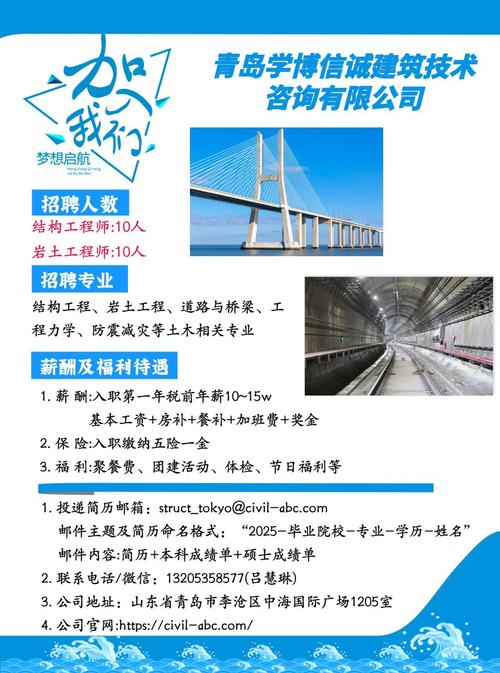
专业招聘网站 (最主流)
- 猎聘: 高端职位较多,适合有经验的资深监理工程师。
- BOSS直聘: 沟通直接,效率高,很多中小型公司和项目会在此发布招聘信息。
- 前程无忧 / 智联招聘: 传统大型招聘平台,信息量大,覆盖全面。
- 看准网 / 脉脉: 除了招聘,还可以查看公司评价、薪资爆料,帮助您更好地了解目标公司。
-
行业垂直平台/社群
- 建设通 / 启信宝: 可以查询到杭州地区的在建工程项目信息,直接联系项目方的招聘负责人。
- 监理工程师相关微信群/QQ群: 很多HR和项目负责人会在群里发布急招信息,人脉资源丰富。
- 行业论坛/公众号: 关注“建筑时报”、“施工技术”等公众号,有时会推送优质招聘信息。
-
公司官网/官方公众号
- 大型监理公司(如浙江中诚、万事达、正浩等)通常有自己的官网和公众号,会发布最新的招聘公告,信息最权威。
-
线下招聘会/人脉推荐
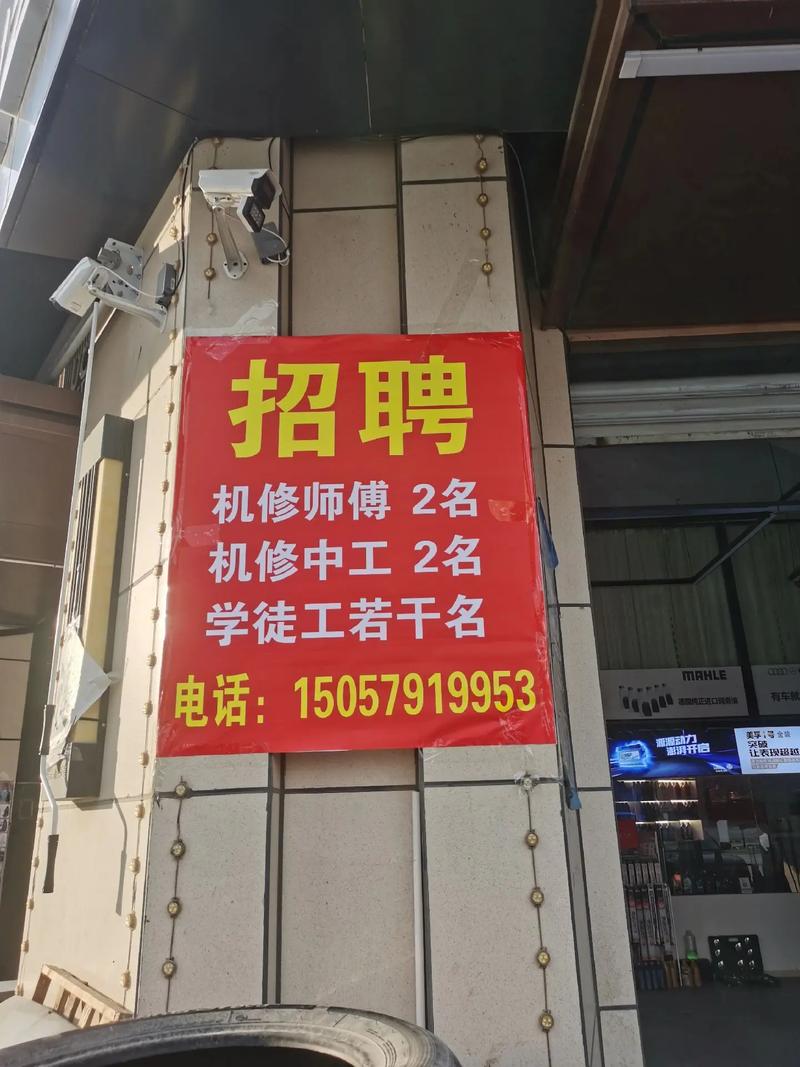
- 杭州本地的人才市场或建筑行业专场招聘会。
- 利用同行、前同事、老师的人脉关系进行内部推荐,成功率最高。
热门监理岗位及职责
在杭州,根据项目类型不同,需求量较大的监理岗位主要有:
| 岗位名称 | 主要职责 | 需求项目类型 |
|---|---|---|
| 土建监理工程师 | 负责建筑主体结构、地基基础、砌体、装饰装修等专业的质量、安全、进度控制。 | 房地产住宅项目、商业综合体、写字楼、医院、学校等。 |
| 安装监理工程师 | 负给排水、电气、暖通、消防、智能化等机电专业的施工监理。 | 所有类型项目,尤其是商业、公共建筑和高端住宅。 |
| 市政监理工程师 | 负责道路、桥梁、隧道、管网、地铁、园林绿化等市政工程的监理。 | 城市基建项目、地铁沿线开发、市政道路改造等。 |
| 安全监理工程师 | 专职负责施工现场的安全管理、隐患排查、安全资料整理。 | 所有项目必备岗位,需求量大,责任重。 |
| 总监理工程师 | 主持项目监理部工作,对项目监理工作全面负责,是项目监理的最高负责人。 | 需要丰富的经验和注册证书,通常要求有大型项目总监经历。 |
杭州监理岗位薪资范围 (仅供参考)
薪资受经验、证书、项目类型、公司规模等多种因素影响,以下是杭州市场的大致范围:
| 岗位 | 经验要求 | 月薪范围 (人民币) | 备注 |
|---|---|---|---|
| 监理员/助理 | 应届生或0-2年经验 | 4,000 - 7,000 | 通常需要驻场,提供食宿或补贴。 |
| 专业监理工程师 | 2-5年经验,有证书优先 | 8,000 - 15,000 | 这是市场上的中坚力量,需求最大。 |
| 专业监理工程师 | 5年以上经验,持证 | 12,000 - 20,000+ | 资深工程师,能独立负责一个专业。 |
| 总监理工程师 | 8年以上经验,持注册证 | 20,000 - 40,000+ | 或年薪制,通常在25万-50万之间。 |
| 安全监理工程师 | 持有注册安全工程师证 | 9,000 - 18,000 | 证书含金量高,薪资待遇较好。 |
备注:
- 证书是关键: 拥有注册监理工程师证书,薪资会有显著提升,是晋升和跳槽的重要砝码。
- 驻场补贴: 大部分监理岗位需要驻场在项目上,公司通常会提供免费食宿或餐补、住宿补贴,这在杭州这样的一线城市能节省一大笔开销。
- 年终奖: 通常项目结束后会有项目奖金或年终奖,一年总收入会高于月薪。
通用任职要求
无论是哪个岗位,以下要求是普遍存在的:
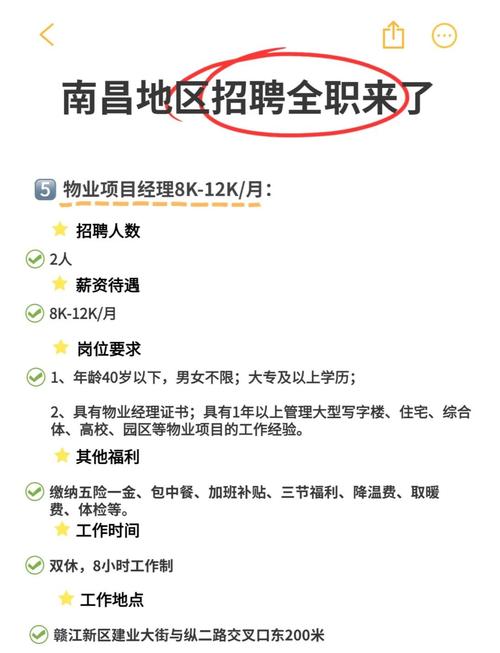
- 学历专业: 大专及以上学历,土木工程、工民建、建筑电气、给排水、暖通、市政工程等相关专业优先。
- 工作经验:
- 应届生可应聘监理员或实习生。
- 普通监理工程师岗位通常要求2年以上相关工作经验。
- 总监要求5-8年以上大型项目监理经验。
- 资格证书:
- 必备: 建设部颁发的监理员证或专业监理工程师证。
- 硬通货: 国家注册监理工程师证(考过即可,部分公司接受“挂证”,但现场管理岗必须本人持证上岗)。
- 加分项: 一级/二级建造师证、注册安全工程师证、造价工程师证等。
- 个人能力:
- 熟悉国家及地方相关的法律法规、规范标准(如GB系列规范)。
- 熟练使用CAD、Project、Office等办公软件。
- 具备良好的沟通协调能力、分析解决问题能力和责任心。
- 能适应长期驻场的工作环境,能承受一定的工作压力。
求职建议
- 明确方向: 先想清楚自己想做房建、市政还是安装,哪个方向经验更丰富,就优先投递哪个。
- 证书先行: 如果还没有证书,特别是监理员证或注册监理工程师证,建议尽早考取,这是职业发展的敲门砖。
- 优化简历: 突出你的项目经验,详细描述你负责过的项目名称、规模、担任的职责、解决了什么问题等,用数据说话,控制XX项目成本在预算内”、“提前X天完成XX节点”。
- 主动出击: 在招聘网站上看到合适职位后,除了投递简历,可以直接通过“聊一聊”功能与HR或项目负责人沟通,展现你的积极性。
- 关注本地大公司: 杭州及周边地区有一些实力很强的监理企业,
- 浙江中诚工程管理科技有限公司
- 浙江万事达建设工程咨询有限公司
- 浙江正浩工程咨询有限公司
- 华诚工程咨询集团有限公司
- ...以及各大房地产开发商(如绿城、滨江)自己成立的工程管理公司。 这些公司项目多,制度规范,是很好的职业发展平台。
希望这份详细的指南能对您有所帮助,祝您在杭州求职顺利!